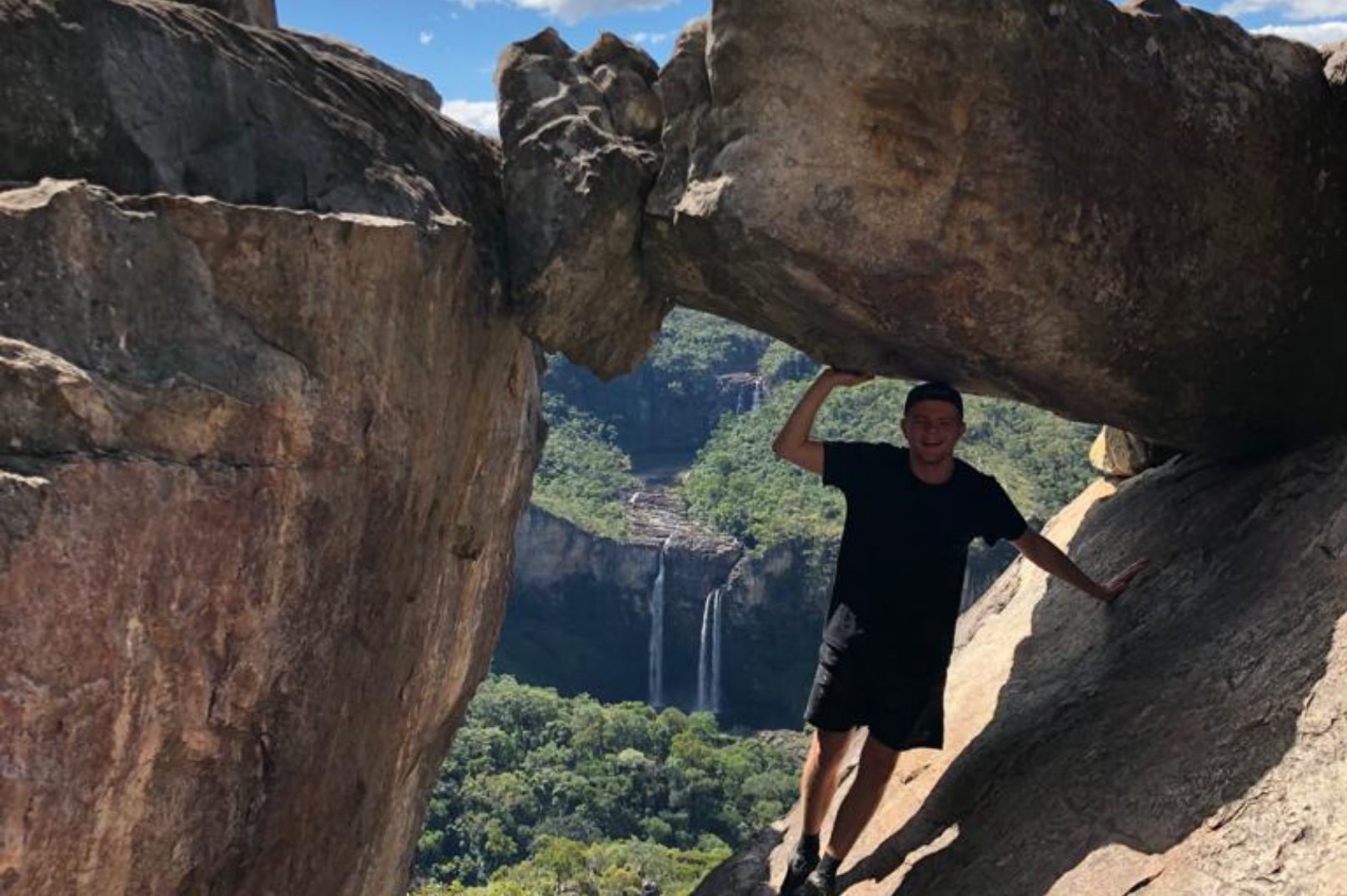
Exploring Budget-Friendly and Sustainable Options for Gap Year Travel
Discover budget-friendly, sustainable gap year travel ideas for UK students, from solo backpacking and slow travel to working abroad and digital nomad life.
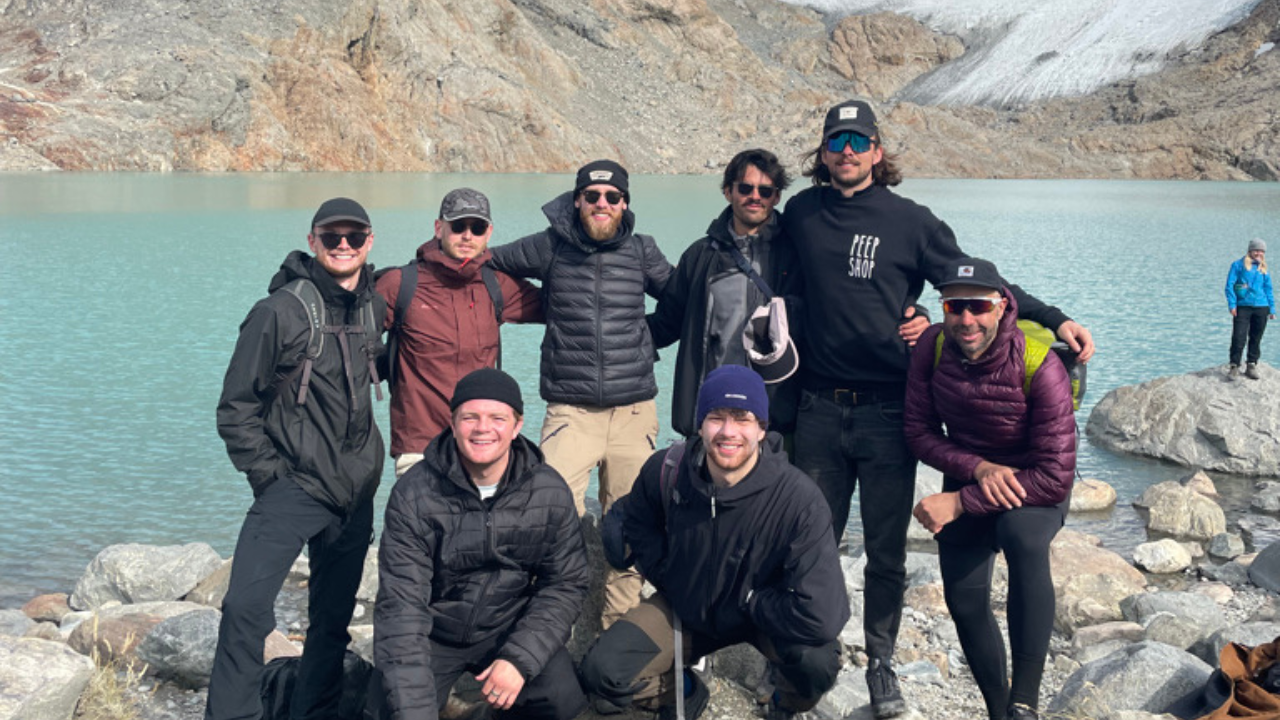
Exploring the world is a rite of passage for many young people in the UK, and the urge to travel far and wide is stronger than ever for students aged 16-25. However, recent trends show that these young adventurers are reshaping the way they backpack and take gap years. With shorter, more flexible trips, and a growing focus on budgeting, sustainability, and digital work opportunities, UK students are carving out a new path in the world of travel.
Independent & Solo Travel: Embrace Your Freedom
Solo backpacking has become the new norm among young travellers, especially those between the ages of 20 and 25. Many students now choose to travel independently, benefitting from the increased flexibility and personal growth that solo adventures offer. Rather than taking full year-outs, over one-third of young travellers prefer multiple shorter trips throughout the year, fitting them in during university breaks or after graduation (source: The Broke Backpacker). This trend paves the way for "mini gap years" that allow more frequent and varied travel experiences.
Slow Travel & Year-Round Exploration
Gone are the days of cramming a dozen countries into a single summer. Today’s student travellers favour slower, year-round trips that immerse them in local cultures without breaking the bank. From Interrail adventures across Europe to month-long bus passes in Southeast Asia, slow travel prioritises meaningful experiences over rapid country-hopping (source: Active Traveller). Not only does this approach save money on flights, it’s also more sustainable and less stressful—perfect for first-time backpackers.
Working, Volunteering, & Skills-Focused Travel
Work and travel can go hand in hand, and many students are seizing this opportunity to enhance their CVs while exploring new corners of the globe. Popular gap-year options include short-term roles like au pairing, conservation projects, and internships. These structured placements typically last 4-12 weeks, making them easy to fit into university schedules (source: Student Beans).
Sustainability & Responsible Travel
As environmental concerns grow, more than half of UK travellers now consider eco-friendly options when planning trips (source: Revit Up). This means fewer flights, more train and bus rides, and a focus on local, sustainable experiences. Backpackers can minimise their carbon footprint by choosing hostels with green policies, supporting local businesses, and avoiding single-use plastics. Understanding and avoiding greenwashing while making meaningful impacts is key to responsible travel.
Digital Nomad Pathways & Remote Work
For those who dream of working from a café in Lisbon or a beach in Thailand, a gap year can be a trial run for digital nomad life (source: Active Traveller). Remote internships and freelance gigs are now accessible to students willing to balance work and travel. Gap years offer a chance to test nomad-friendly cities and accommodations, building skills like time management and discipline along the way. For more structured approaches, consider short-term tours designed for young travellers looking to earn, learn, and explore.
Safety, Risk Management & Support
While independence is cherished by young travellers, many still value having a safety net. Flexible bookings, comprehensive travel insurance, and 24/7 support lines provide peace of mind when exploring unfamiliar territories (source: Revit Up). Using apps for navigation, translation, and money transfers keeps backpackers connected and informed, contributing to a safer travel experience.
Budgeting, Costs & Value-Seeking
Travelling on a student budget requires creativity and resourcefulness. UK students are prioritising cost-effective options by embracing shorter, more frequent trips, leveraging student discounts, and using budget tools like prepaid cards. With rising popularity, package holidays offer value and simplicity for young travellers (source: Revit Up). Combining cheap, independent travel with occasional guided tours can stretch the budget while enriching the travel experience.
Cultural Immersion & Meaningful Experiences
Young travellers seek to immerse themselves in local cultures and gain life experiences through backpacking. Embracing local food, homestays, and community-based activities fosters deeper connections and personal growth (source: Student Beans). Spending extended time in fewer destinations allows students to build routines and friendships that enrich their cultural understanding and create lasting memories.
Destination & Itinerary Trends Relevant to UK Students
Students are exploring a variety of destinations, from the budget-friendly Interrail routes of Europe to the cultural hotspots of Southeast Asia and Latin America (source: The Broke Backpacker). Adventure travel, such as trekking, diving, and skiing, is also on the rise among young adventurers (source: Revit Up). Balancing well-known destinations with off-the-beaten-path experiences can craft a unique travel itinerary that satisfies both the longing for adventure and cultural curiosity.
Conclusion
UK students are redefining what it means to backpack on a budget. By embracing flexibility, sustainability, and meaningful experiences, they're creating rich travel narratives that move beyond the traditional gap year. Whether you're thinking of interrailing across Europe or volunteering in Southeast Asia, the journey of exploring the world is as much about growth and discovery as the destinations themselves. Happy travels!
.png)